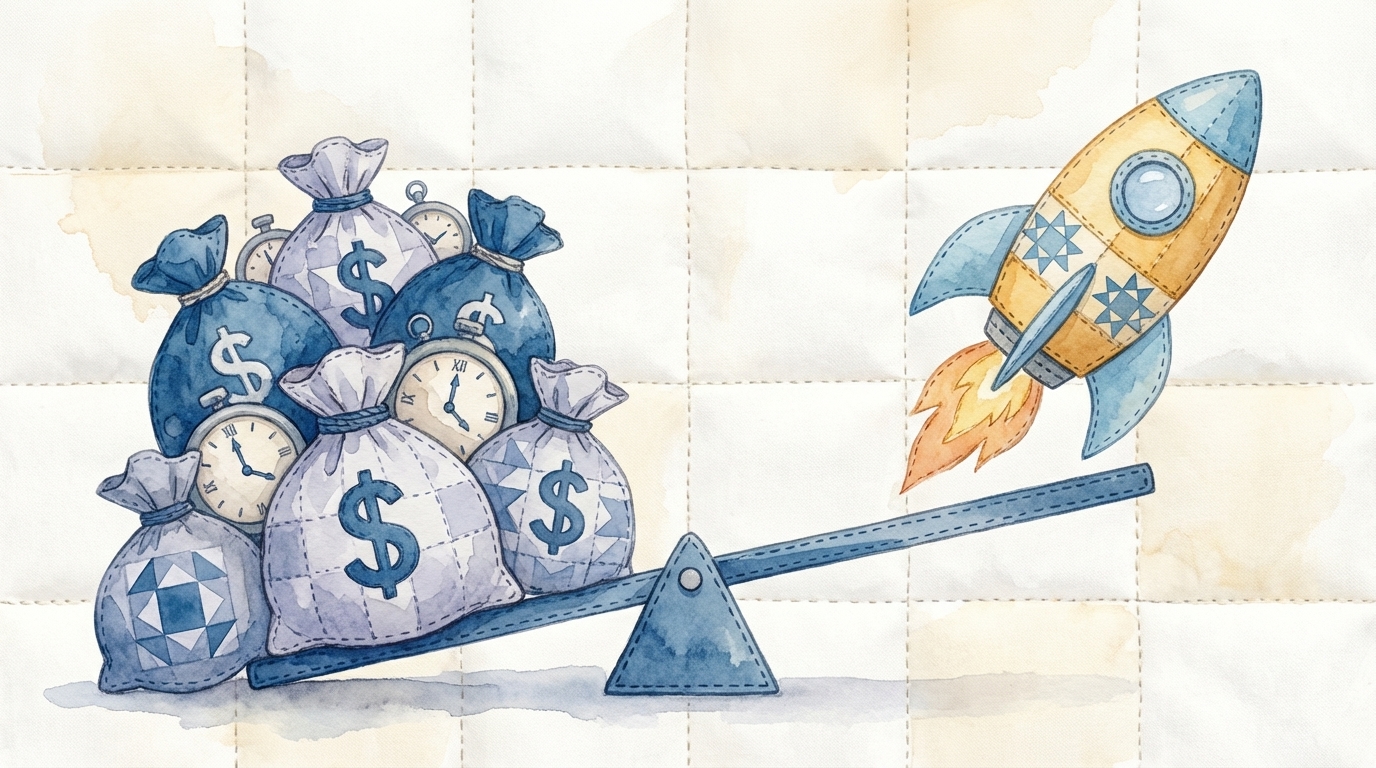
Every marketing leader faces the same question when they look at their campaign roadmap: who is going to execute all of this? The ideas are ready. The strategy is approved. Now someone needs to build the emails, configure the workflows, publish the landing pages, and launch the ads. The real cost of campaign execution depends entirely on which path you choose — and most teams underestimate the total cost of each option.
Let us break down the three primary models for campaign execution — traditional agencies, in-house hires, and AI-native execution — and look at what each actually costs when you factor in speed, quality, and throughput.
Option 1: Traditional Agency Retainers
The agency model is familiar. You hire an external team on a monthly retainer, and they produce campaign assets and sometimes strategy. Agencies are a known quantity, and there is real talent at many of them. But the model has structural limitations that drive up costs in ways that are not always visible on the invoice.
The visible cost is the retainer itself. B2B marketing agencies typically charge monthly fees that can run high, depending on scope and seniority of the team assigned to your account. That number is easy to budget for.
The hidden costs are where it gets expensive:
- Slow feedback loops. Agencies work on their timeline, not yours. A campaign that your internal team could concept and approve in a day may take the agency a week to turn around, with revision cycles adding more time.
- Disconnection from your stack. Most agencies deliver assets — a PDF of email copy, a design file for a landing page, a spreadsheet of ad copy. Your internal team still needs to build those assets inside your HubSpot, Marketo, or Responsys instance. The agency does not touch your tools.
- Context loss. Agencies serve multiple clients. No matter how good the account team is, they will never have the depth of context that your internal team has about your product, your customers, and your competitive landscape.
- Coordination overhead. Someone on your team needs to manage the agency relationship — writing briefs, reviewing work, providing feedback, and translating deliverables into deployed campaigns. That person's time has a cost.
When you add the retainer, the internal coordination time, and the last-mile execution work that still falls on your team, the true cost of agency-driven campaign execution is significantly higher than the retainer alone.
Option 2: In-House Hiring
The alternative that many teams default to is hiring more people. Need more campaigns? Hire another campaign manager. Need faster email builds? Hire a marketing ops specialist. Need better landing pages? Hire a designer.
In-house hiring gives you control, context, and alignment. Your team understands your product, your customers, and your tools. But the cost model has its own challenges.
Hiring for execution capacity is like buying a server instead of using the cloud. You pay for peak capacity even when you only need it some of the time, and scaling up means another major purchase.
The visible cost is salary and benefits. Fully loaded, a mid-level marketing hire in a major market runs well into six figures annually. A senior marketing ops or demand gen hire is even more.
The hidden costs include:
- Recruiting time. Finding, interviewing, and closing a good marketing hire takes two to four months in the current market. That is two to four months of campaigns not getting executed.
- Onboarding. Even after the hire starts, it takes weeks for them to learn your tools, your processes, and your brand. They are not productive at full speed on day one.
- Throughput ceiling. One person can only execute so many campaigns per month. When demand spikes — a product launch, a conference, end-of-quarter push — you hit the same capacity wall again.
- Tool specialization. No single hire is an expert in every platform in your stack. Your Marketo wizard may not know how to build pages in Webflow or configure campaigns in LinkedIn Campaign Manager.
The throughput equation: A typical campaign manager can fully execute two to four campaigns per month, including all asset creation, platform configuration, and QA. If your roadmap calls for ten or more campaigns per month, hiring alone cannot close the gap without building a large team.
Option 3: AI-Native Execution
The third model — and the one gaining rapid traction among marketing teams in San Francisco and across the industry — is AI-native campaign execution. This is not a tool you add to your stack. It is an execution layer that operates the tools you already have.
Here is what makes this model structurally different:
Deploys into your tools. AI agents connect to your marketing automation platform, CMS, ad platforms, and CRM via APIs. They do not deliver files for your team to manually build. They build directly inside HubSpot, Marketo, WordPress, LinkedIn, and wherever else your campaigns live.
Scales without headcount. Going from five campaigns per month to twenty does not require hiring four more people. It requires the same AI execution layer processing more briefs. The marginal cost of an additional campaign is a fraction of what it would cost via agency or in-house execution.
Maintains speed at scale. The throughput does not degrade as volume increases. Campaign number twenty gets the same execution speed as campaign number one. There is no queue, no backlog, and no "we will get to it next sprint."
Works within your brand and guidelines. AI agents are configured with your brand voice, design system, and campaign standards. The output is consistent with your existing work, not generic or off-brand.
Comparing the Three Models Side by Side
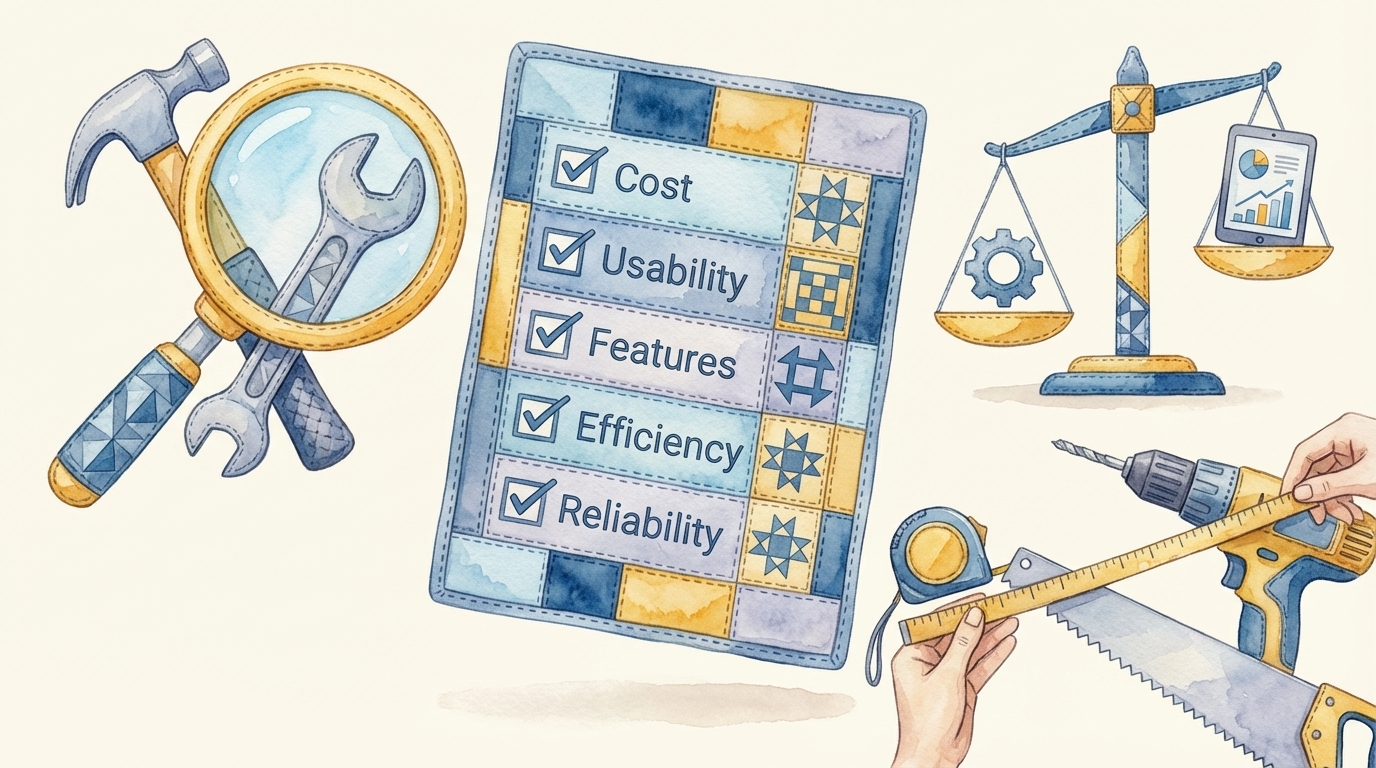
Here is how the models stack up across the dimensions that matter most to marketing leaders:
Time to first campaign: Agencies require onboarding and briefing cycles — expect weeks. In-house hires take months to recruit and onboard. AI-native execution can deploy the first campaign within hours of setup.
Throughput ceiling: Agencies are limited by the team assigned to your account. In-house is limited by headcount. AI-native scales with demand.
Last-mile execution: Agencies deliver assets that your team must deploy. In-house owns the full process but at human speed. AI-native handles end-to-end deployment inside your platforms.
Context and quality: In-house has the deepest context. Agencies have moderate context. AI-native agents are trained on your brand, product, and historical campaigns, and they improve over time.
The right answer for your team may be a combination — human strategists setting direction, with AI-native execution handling the build and deploy. To understand how this compares for your specific situation, take a look at our Pricing page.
The Decision Framework
When evaluating these three options, ask yourself two questions:
- Where is my team spending the most time? If the answer is building and deploying campaigns inside your tools (not strategy or creative), you have an execution problem that AI-native can solve directly.
- What is the cost of campaigns NOT running? Every campaign sitting in your backlog has a pipeline cost. If you are leaving campaigns on the table because you do not have the hands to build them, that is revenue you are not generating.
The real cost of campaign execution is not just what you pay — it is what you miss. Slow execution means fewer campaigns, less testing, less pipeline, and more opportunities for competitors to get in front of your buyers first. If you want to dig deeper into why execution speed matters, read our perspective on why teams are choosing AI-native execution.
Want to see the numbers for your specific team and stack? Book a demo and we will walk through how CharacterQuilt compares to your current execution model — with real throughput projections based on your campaign roadmap.