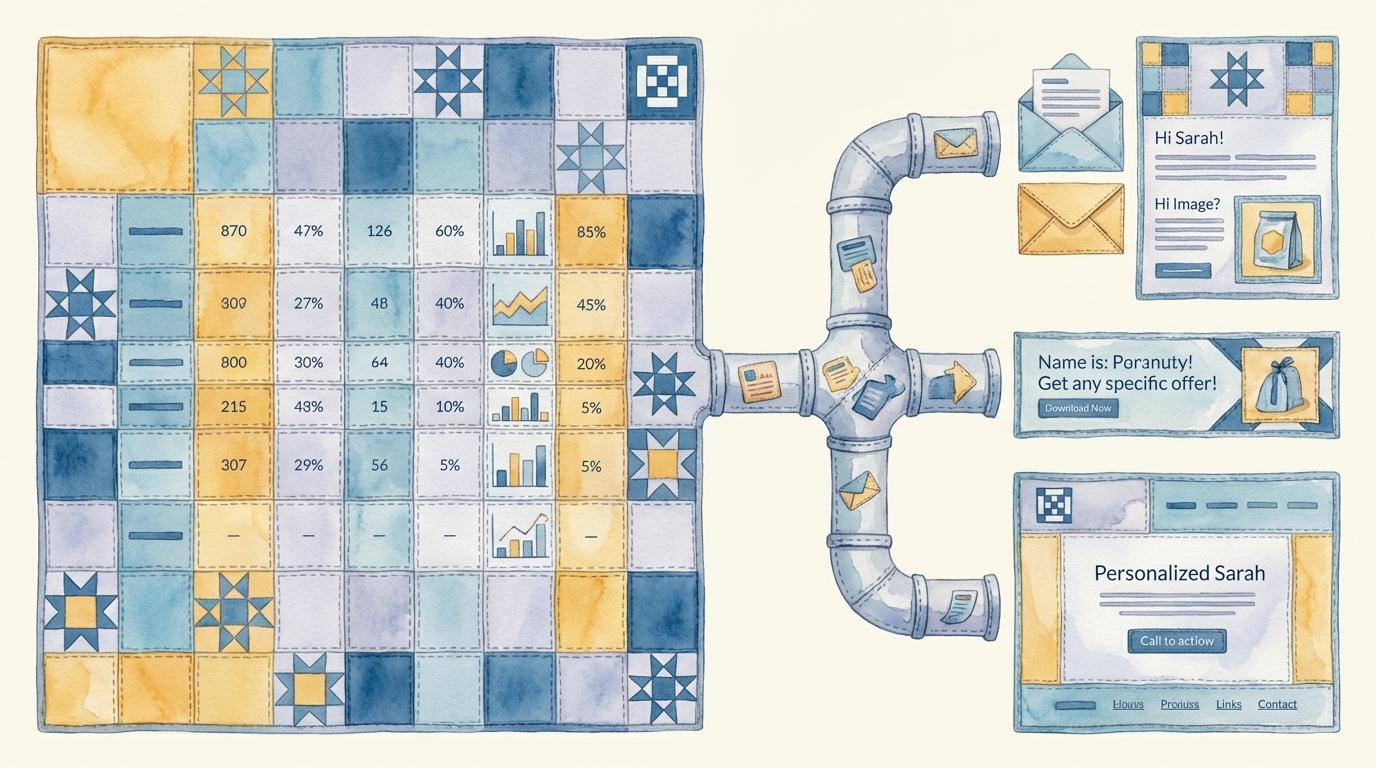
Data Enrichment Isn't Enough: What Happens After You Build the List
You've enriched your list with Clay, Apollo, or ZoomInfo. Now what? The gap between data and deployed campaigns is where most teams stall.
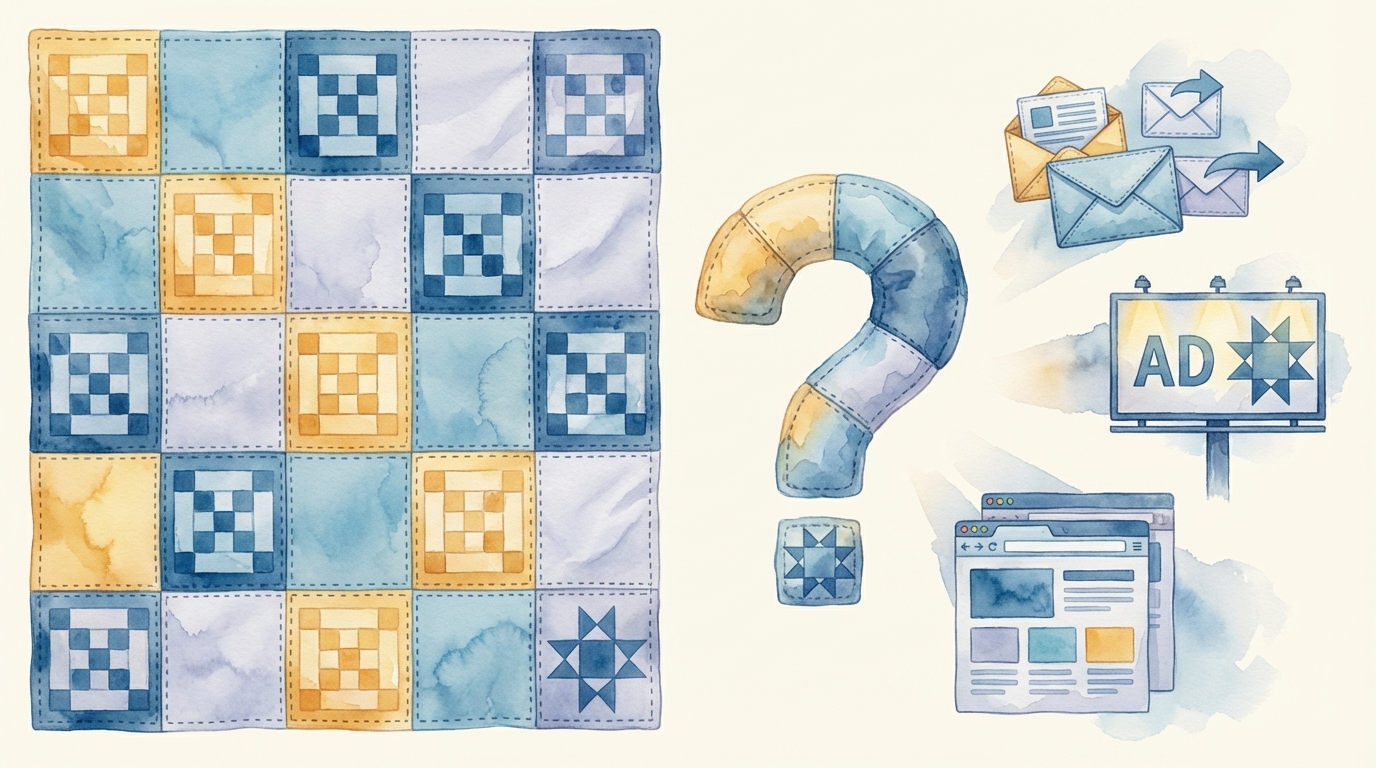
Data enrichment is not enough. If you have spent the last year building a sophisticated data stack — using Clay, Apollo, ZoomInfo, Seamless.AI, or any combination of enrichment tools — you already have the ingredients. You know who to target. You have their titles, their companies, their tech stacks, their funding rounds, their hiring signals. Your ICP scoring model is dialed in. Your lists are clean, enriched, and segmented.
And yet, most of those perfectly enriched contacts are sitting in a spreadsheet or a CRM, waiting for someone to do something with them. The gap between having great data and running campaigns against that data is where the majority of B2B marketing teams stall. Enrichment is the easy part. Activation is where the work begins.
The Enrichment Tools Are Excellent — That Is Not the Problem
Let us be clear: the data enrichment ecosystem is genuinely impressive. Clay lets you build complex enrichment workflows that pull from dozens of data sources. Apollo gives you access to a massive contact database with built-in sequencing. ZoomInfo provides deep firmographic and technographic data. Seamless.AI, Clearbit, and others each have their strengths.
These tools have solved the data problem for most B2B teams. Ten years ago, building a quality target account list required weeks of manual research. Today, you can build and enrich a list of a thousand accounts in an afternoon. You can score them by ICP fit, filter by intent signals, and segment them by any dimension you care about.
The problem is not the data. The problem is what happens next.
Enriched data is potential energy. It only becomes pipeline when someone converts it into deployed campaigns — emails sent, ads running, landing pages live, sequences triggered. The distance between a scored list and a running campaign is further than most teams realize.
The Data-to-Campaign Gap
Here is what the data-to-campaign gap looks like in practice. Your demand gen team builds a beautifully segmented list in Clay. They have identified five hundred accounts that match your ICP, enriched with technographic data, hiring signals, and funding information. They know exactly which personas to target at each account. The strategy is clear: run personalized outreach to VP-level contacts at Series B+ SaaS companies using a competitor's product.
Now someone needs to:
- Write email copy tailored to each segment (not just one version — multiple versions based on persona, industry, and pain point)
- Build those emails inside your marketing automation platform or sales engagement tool
- Create landing pages that match the messaging for each segment
- Set up audience segments in your ad platforms for retargeting and awareness campaigns
- Configure the workflows, triggers, and scoring rules that move contacts through the funnel
- Build the reporting to track engagement at the account level
That is days or weeks of execution work — for a single campaign against a single list. Multiply it by the number of lists your team builds each month, and you have a structural bottleneck that no amount of data enrichment can solve.
The uncomfortable truth: Most teams enrich far more contacts than they ever activate. If your enrichment tools are processing thousands of contacts per month but your campaign team is only deploying against a fraction of them, you are paying for data you are not using. The ROI on enrichment is zero until the data becomes a live campaign.
Turning ICP-Scored Lists Into Personalized Outreach
The key to closing the data-to-campaign gap is treating campaign deployment as a systematic process, not a manual project. When you have a scored and segmented list, the campaign structure is largely implied by the data itself. The segments tell you what messaging to use. The enrichment fields tell you how to personalize. The ICP scores tell you how to prioritize.
What if that translation — from data to deployed campaign — happened automatically? Not the strategic decisions about messaging or positioning, but the mechanical work of building emails, configuring sequences, creating landing pages, and setting up ad audiences.
This is exactly what AI-native execution enables. You feed in the enriched list with its segments and scores. You define the campaign strategy — which channels, which message angles, which offers. The AI agents handle the build-and-deploy work across your marketing stack. To see the mechanics of how this works, visit our How It Works page.
Teams across San Francisco and beyond are discovering that the bottleneck was never the data — it was always the last mile of turning that data into something a prospect actually sees.
Deploying Into Email Platforms and Ad Systems
One of the most time-consuming parts of campaign activation is the platform-specific work. Every email platform has its own template builder, its own workflow logic, its own quirks. Every ad platform has its own audience upload format, its own campaign structure, its own bidding configuration. A demand gen marketer might spend half their day just navigating platform UIs — not thinking strategically, but clicking through forms and configuring settings.
AI agents can handle this platform-specific work because they connect directly to your tools via APIs. They build the emails in HubSpot or Marketo. They upload audiences to LinkedIn and Google Ads. They publish landing pages in your CMS. They configure the workflows and triggers. All of this happens programmatically, at a speed and consistency that manual work cannot match.
The aim is to reduce repeated work between the account list and the launched campaign. Measure actual delivery time and review effort for your scope; integration coverage and approval requirements determine what can be automated.
Breaking the Enrichment-to-Activation Cycle
If you recognize this pattern in your own team, here is a practical way to start closing the gap:
- Audit activation. Compare the qualified, contactable audience with the contacts reached. Investigate exclusions, consent, prioritization, and capacity before treating a low activation rate as a deployment failure.
- Map the handoff points. Where does the enriched data go after it leaves Clay or Apollo? How many steps and how many people are involved before it becomes a live campaign?
- Identify the mechanical bottlenecks. Which steps in the process are strategic (and should stay human) versus mechanical (and could be automated)?
- Invest in execution, not just data. If you are spending more on enrichment tools than on campaign deployment capacity, your investment is unbalanced.
For a deeper dive into connecting enrichment workflows to campaign deployment, read our post on bridging enrichment to campaigns.
Data Is the Starting Line, Not the Finish Line
The enrichment tools have done their job. You have the data. You know who to target, what to say, and when to say it. The question is whether you have the execution capacity to turn all of that intelligence into live campaigns at the speed your pipeline targets demand.
If the answer is no — if your perfectly enriched lists are aging in your CRM while your campaign team works through a backlog — the solution is not better data. It is better activation. It is closing the gap between the list and the campaign.
Ready to turn your enriched data into deployed campaigns without the manual bottleneck? Book a demo and see how CharacterQuilt takes your ICP-scored lists and deploys personalized, multi-channel campaigns directly into your existing marketing stack.
Ready to clear your campaign backlog?
Tell us the campaign you have in mind. We'll build it and launch it in the tools you already use.